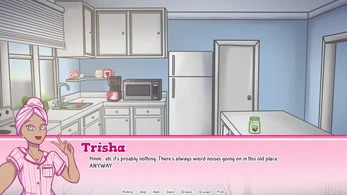
Get Ready With Me
Everything You Need to Know About Get Ready With Me
What Is Get Ready With Me?
Overview
A psychological horror game from Studio Investigrave, featuring their signature blend of RPG Maker aesthetics and narrative-driven horror. The game explores themes of identity, trauma, and the darker aspects of human nature.
Key Features
- Atmospheric Horror: Tension-building narrative without relying on jump scares
- Multiple Endings: Your choices determine the outcome
- Rich Storytelling: Deep character development and environmental storytelling
- RPG Maker Engine: Accessible yet polished visual style
Development
Created by Studio Investigrave (racheldrawsthis and Rix), known for their acclaimed horror titles including Dead Plate, Cold Front, and Elevator Hitch.
Story & Themes
The Premise
The Setup
What presents itself as a mundane "Get Ready With Me" morning routine simulator quickly reveals itself to be something far more disturbing. You play through the daily rituals of preparing for the day, but something is deeply wrong.
The Horror of the Mundane
The game weaponizes the familiar. Every task you perform—brushing teeth, choosing clothes, applying makeup—becomes laden with dread. The horror emerges not from monsters but from the distortion of everyday reality.
The Narrative Structure
Routine as Ritual
The game explores how daily routines can become:
- Prison - Repetitive actions that trap rather than liberate
- Performance - The self we construct vs. who we truly are
- Dissociation - Going through motions while mentally absent
- Compulsion - Unable to stop even when we want to
The Protagonist's Reality
You're not just getting ready; you're maintaining a facade:
- The mirror - Reflects more than physical appearance
- The routine - Has been performed too many times before
- The day ahead - Something you're preparing for with dread
- The self - May not be as stable as it appears
Thematic Exploration
Body Horror and Identity
The game interrogates the relationship between body and self:
- Transformation - The process of "getting ready" as becoming someone else
- Dysphoria - The wrongness of the body you inhabit
- Performance - Constructing an acceptable presentation
- Decay - What happens when the routine can't mask the truth
Psychological Horror
The true horror is internal:
- Repetition - Doing the same things forever
- Futility - Getting ready for a day you'll never escape
- Awareness - Knowing something is wrong but unable to change it
- Isolation - Going through these rituals alone
The Revelation
What the Game Reveals
As the "morning routine" progresses, the cracks in reality widen. The game may be:
- A purgatory loop - Repeating the same day eternally
- A dissociative episode - Mental breakdown masked as routine
- A commentary on performance - The exhausting labor of presenting a self to the world
- A literal nightmare - Dreams of normalcy that can't be maintained
The Mirror Truth
The mirror becomes the game's central symbol—showing you not who you are but who you're trying to become, and the horror of that transformation.
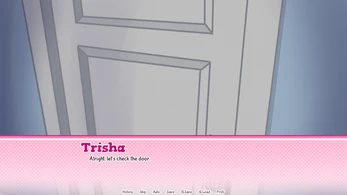
Gameplay Mechanics
Core Gameplay Loop
The Morning Routine Simulation
The game presents a series of everyday tasks:
- Wake up - Begin your day
- Hygiene tasks - Brush teeth, shower, etc.
- Grooming - Hair, makeup, skincare
- Dressing - Choose and put on clothes
- Final preparation - Last details before leaving
- Departure - Face what comes next
Interaction System
- Point and click - Select objects and tasks
- Timed sequences - Some actions must be completed in order
- Choice moments - Decisions about how to prepare yourself
- Environmental observation - Notice changes in your surroundings
Gameplay Mechanics
Task Completion System
Each routine task can be:
- Skipped - Choosing not to perform it
- Rushed - Quick, minimal effort
- Thorough - Careful, complete execution
- Obsessive - Repetitive, excessive performance
Your approach affects the outcome.
Reality Degradation
As you progress, the routine becomes less stable:
- Objects behave strangely - Everyday items don't work correctly
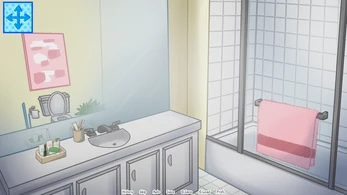
- Environment shifts - Your bathroom/bedroom changes
- Time distorts - Minutes feel like hours or vice versa
- Mirror shows truth - Reflections reveal what's hidden
Key Gameplay Elements
Choice Impact
Your decisions shape:
- Narrative progression - Which story beats you experience
- Reality stability - How quickly things fall apart
- Self-presentation - Who you become by the routine's end
- Ending outcome - Where the morning leads
Observation and Discovery
- Notice anomalies - Small wrongnesses that accumulate
- Track changes - How the environment shifts between loops
- Read subtext - Understand what routine tasks symbolize
- Connect patterns - Link repeated elements across attempts
Endings Guide
Ending Structure
Multiple Outcomes
The game features different endings based on how you navigate the morning routine. Each ending represents a different relationship to the horror of daily performance.
Ending Determinants
Your ending depends on:
- Routine completion - Which tasks you performed and how
- Reality acknowledgment - Whether you notice and respond to wrongness
- Time management - How long you spend on different tasks
- Mirror interactions - How you engage with your reflection
The Endings
Ending 1: The Perfect Routine
How to achieve: Complete every task thoroughly and ignore all anomalies.
What happens: You successfully complete your morning routine and leave for your day.
Meaning: Denial through performance—you've maintained the facade perfectly by refusing to see the horror beneath it.
Ending 2: The Breaking Point
How to achieve: Engage with anomalies and let the routine fall apart.
What happens: The morning routine collapses as reality fractures completely.
Meaning: Truth through breakdown—you can't maintain the performance once you've seen it for what it is.
Ending 3: The Loop
How to achieve: Try to restart the routine after beginning it.
What happens: You find yourself at the beginning again, unable to progress past the morning.
Meaning: Trapped in repetition—the recognition that you've done this before and will do it again.
Ending 4: The Refusal
How to achieve: Choose not to perform key routine tasks.
What happens: You reject the morning ritual and face the consequences.
Meaning: Liberation through rejection—refusing to perform the expected self.
Achievement Strategy
Completionist Approach
To experience all endings:
- Play straight first - Complete the routine normally
- Experiment with failure - See what happens when you skip tasks
- Engage with horror - Interact with anomalies directly
- Test boundaries - Try unexpected actions
Tips & Strategy
Essential Tips
Observation is Critical
Pay attention to small details:
- Mirror changes - Your reflection may not match your actions
- Object placement - Items move or appear/disappear
- Time inconsistencies - Clocks that don't match elapsed time
- Sound cues - Audio that shouldn't be there
Managing the Horror
Pacing Strategy
- Don't rush - Missing details locks you out of understanding
- Take breaks - The atmosphere can be psychologically intense
- Multiple playthroughs - Each run reveals new layers
- Document anomalies - Keep notes on what seems wrong
Emotional Preparation
The game's horror is subtle but effective:
- Body horror elements - Be prepared for disturbing imagery
- Psychological tension - The wrongness builds slowly
- Ambiguity - Not everything is explained
- Personal resonance - May hit close to home for some players
Strategic Approach
First Playthrough
- Complete routine normally - Understand the baseline
- Notice everything - Pay attention to details
- Don't fight it - Accept confusion as part of the experience
- Remember the sequence - Learn the routine's structure
Subsequent Runs
Once you know the routine:
- Experiment deliberately - Try different task orders
- Engage with horror - Interact with anomalies you avoided before
- Skip different tasks - See how each choice affects outcome
- Test the mirror - Explore reflection interactions fully
Technical Tips
Interface Navigation
- Clickable objects - Not everything is obvious at first
- Hotspots - Learn where interactive areas are
- Sequence breaking - Some tasks can be done out of order
- Time limits - Some sequences may be subtly timed
Optimization for Discovery
- Save often - Before making major choices
- Try everything - Click on all objects
- Revisit spaces - Return to previous rooms
- Exhaust options - Try all available interactions
Common Misconceptions
Things to Understand
- It's not a real routine sim - The mundanity is the horror
- Completion isn't always good - Successfully finishing may not be the best outcome
- The mirror matters - Reflection interactions are key
- Repetition is intentional - The loop structure is meaningful
Avoiding Frustration
- Don't expect clear answers - Ambiguity is intentional
- Performance vs. progress - Doing tasks "well" may not be the goal
- Multiple valid approaches - There's no single correct way to play
- Endings aren't ranked - Each ending is meaningful in different ways
Frequently Asked Questions
Yes, completely free on itch.io. A short psychological horror experience.
Single playthrough: 10-20 minutes
A bite-sized horror experience perfect for a quick session.
PC: Windows, Mac, Linux
Multiple endings based on your morning routine choices.
Latest Comments
No comments yet. Be the first!